In most real estate markets, the conventional wisdom holds that buying existing inventory at a discount and renovating it to contemporary standards generates superior returns relative to new development at a premium. In South Florida 2026, that conventional wisdom is under systematic pressure from three forces that are simultaneously elevating the cost of renovating existing inventory and lowering the relative cost of new construction: building recertification requirements, post-Champlain structural and electrical standards, and the widening quality gap between 2010-era construction and today's institutional-grade new development product.
Key market shifts
Florida's new building inspection and recertification requirements — a direct legislative response to the Champlain Towers South collapse — have created a significant and ongoing capital call for buildings constructed before 2000. Owners of units in pre-2000 buildings are being asked to fund structural remediation, electrical upgrades, and life safety improvements that can represent $50,000–$500,000 per unit in special assessments over a 5-to-10-year period. This assessment risk is essentially absent from new construction, where engineering and materials standards are current by definition.
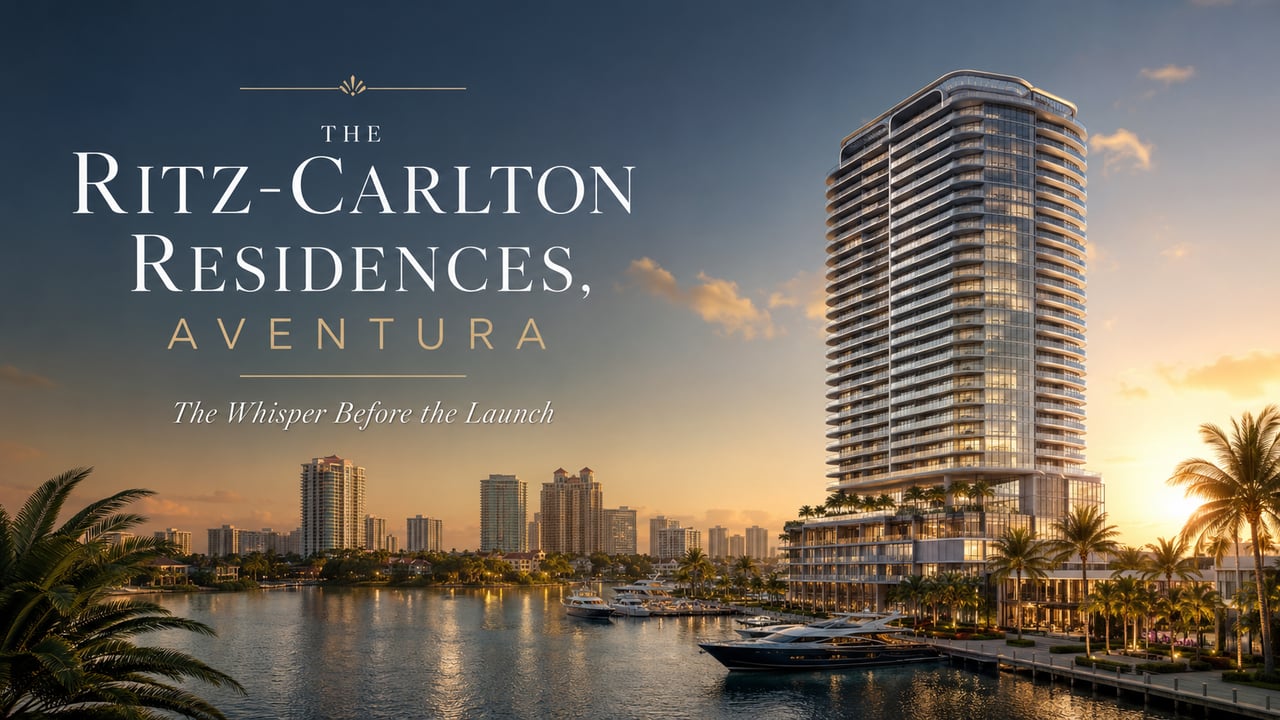
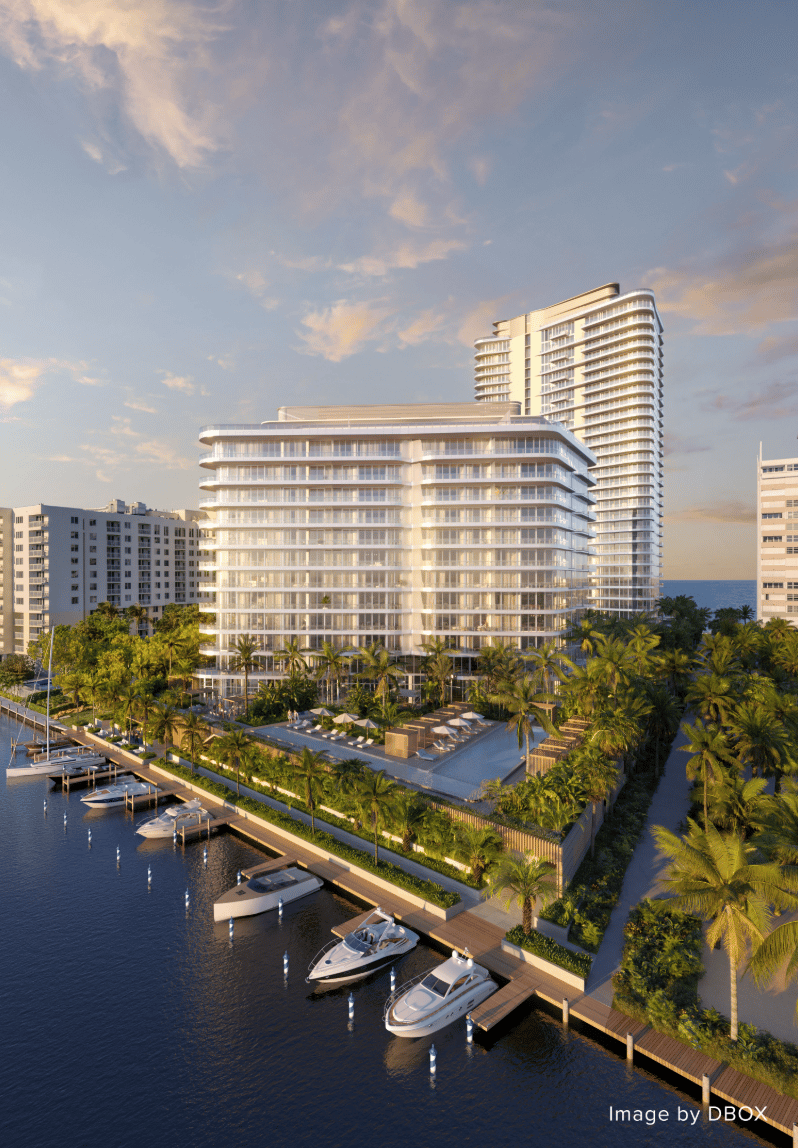
The quality gap between 2010-era construction and today's new development in South Florida is also wider than at any prior point in the market's modern history. The amenity standards, technology integration (EV charging, smart home systems, fiber infrastructure), sustainability certifications, and finish quality available in today's new development — the Edition Residences' Arquitectonica design at $1,650/sqft, the Mandarin Oriental at $2,450/sqft, even Cassia Coral Gables at $1,150/sqft — reflect a decade of design and construction evolution that cannot be meaningfully replicated through renovation of existing inventory without approaching new construction costs.
Buyer and investor implications
The renovation premium — the discount on existing inventory that historically justified the cost and disruption of renovation — has compressed to the point where it no longer reliably compensates for the renovation cost differential, the special assessment risk, and the quality gap relative to new construction. In certain submarkets (Bay Harbor Islands, Coral Gables, Miami Beach), new development now represents better value than renovated existing inventory at comparable prices.
Strategic takeaway
Buyers who are choosing between new development and existing inventory in South Florida's current market should explicitly model the 10-year total cost of ownership for both options before assuming that the lower sticker price on existing inventory represents the better economic decision. In many cases today, it does not.
The Worth Group provides new development versus existing inventory comparative analysis for buyers navigating this decision in any South Florida submarket. Contact us for an independent assessment.
Contact The Worth Group at 561-639-2149 or [email protected]